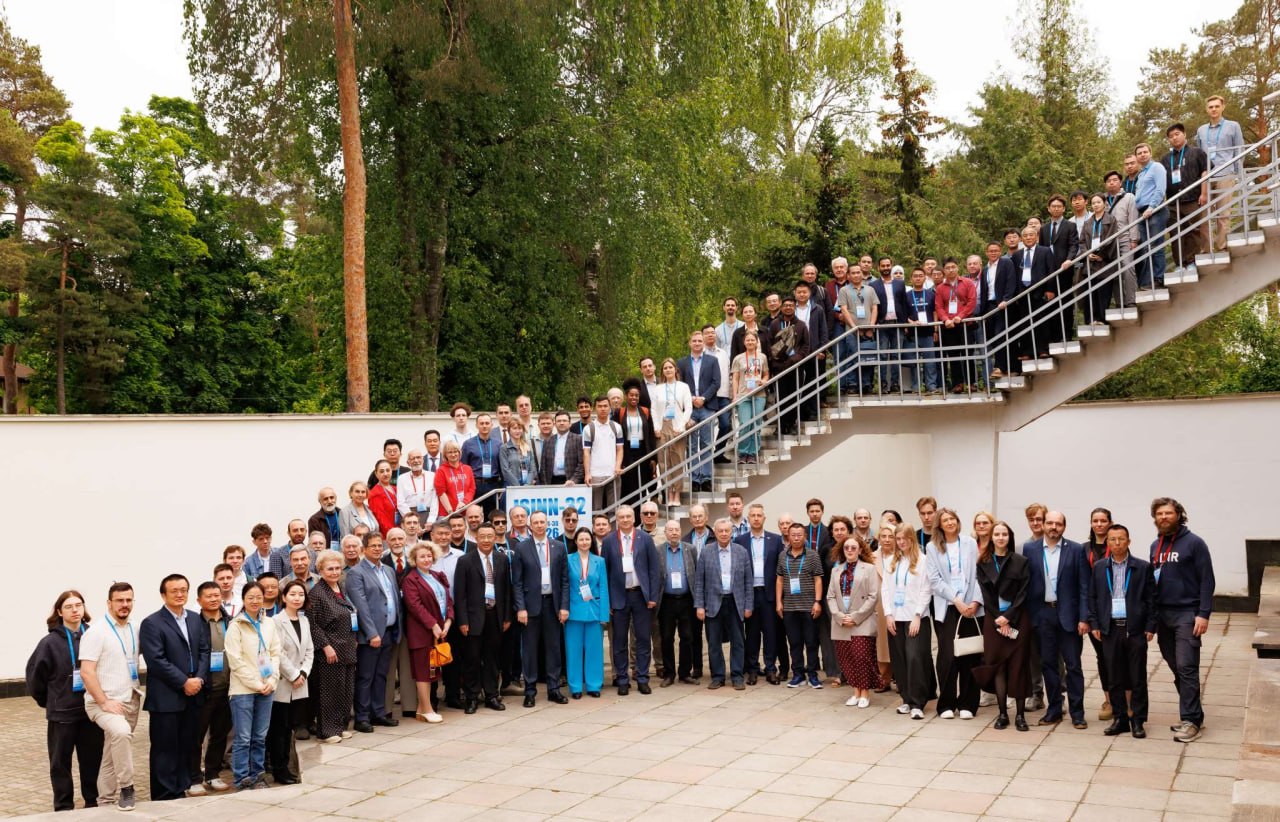
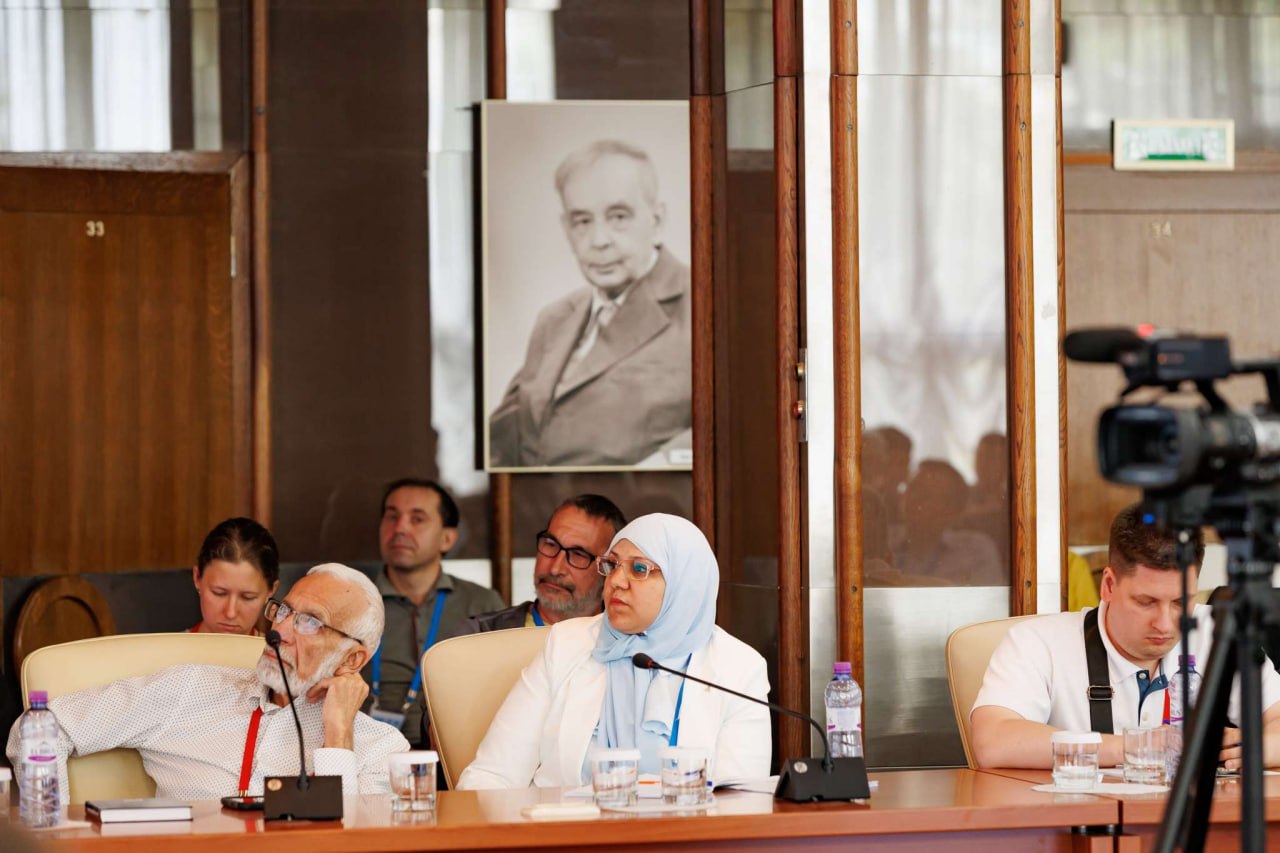
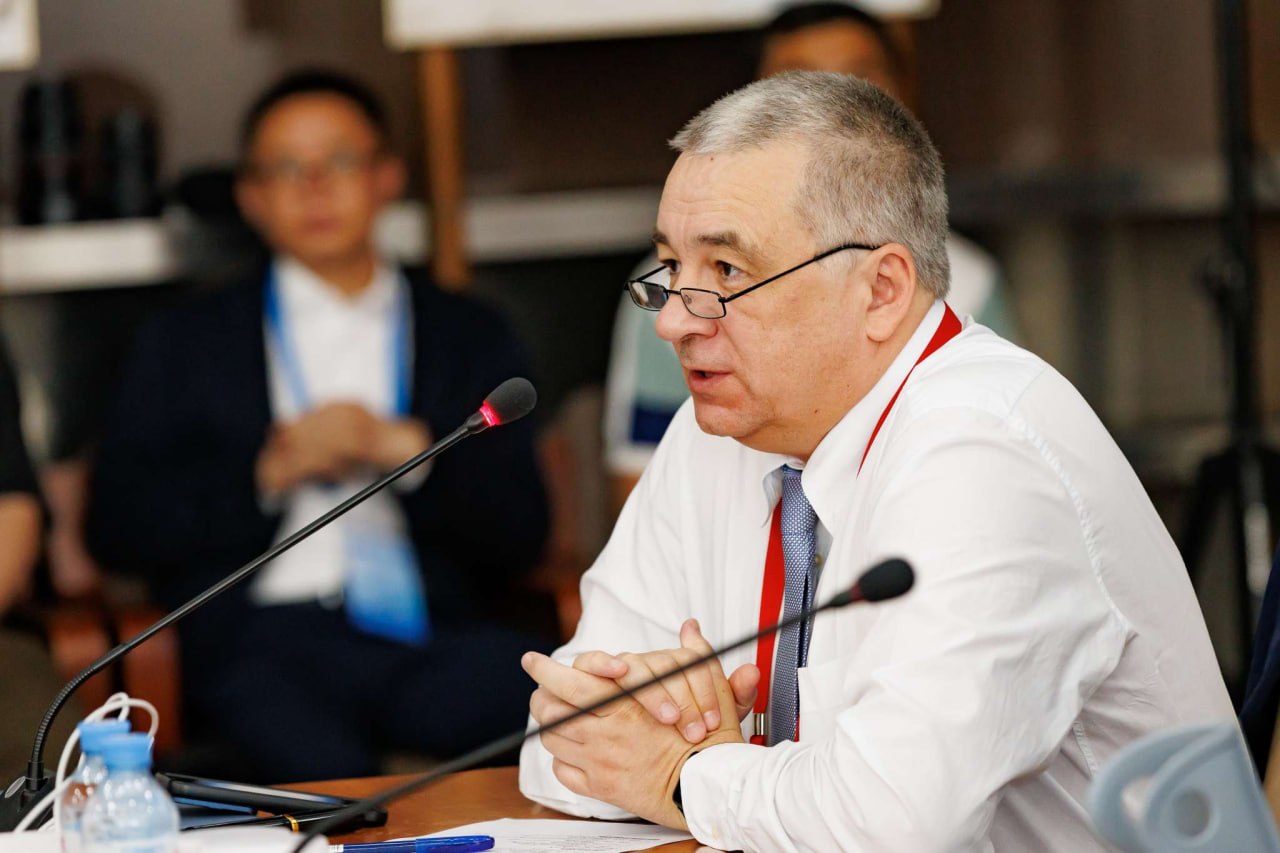
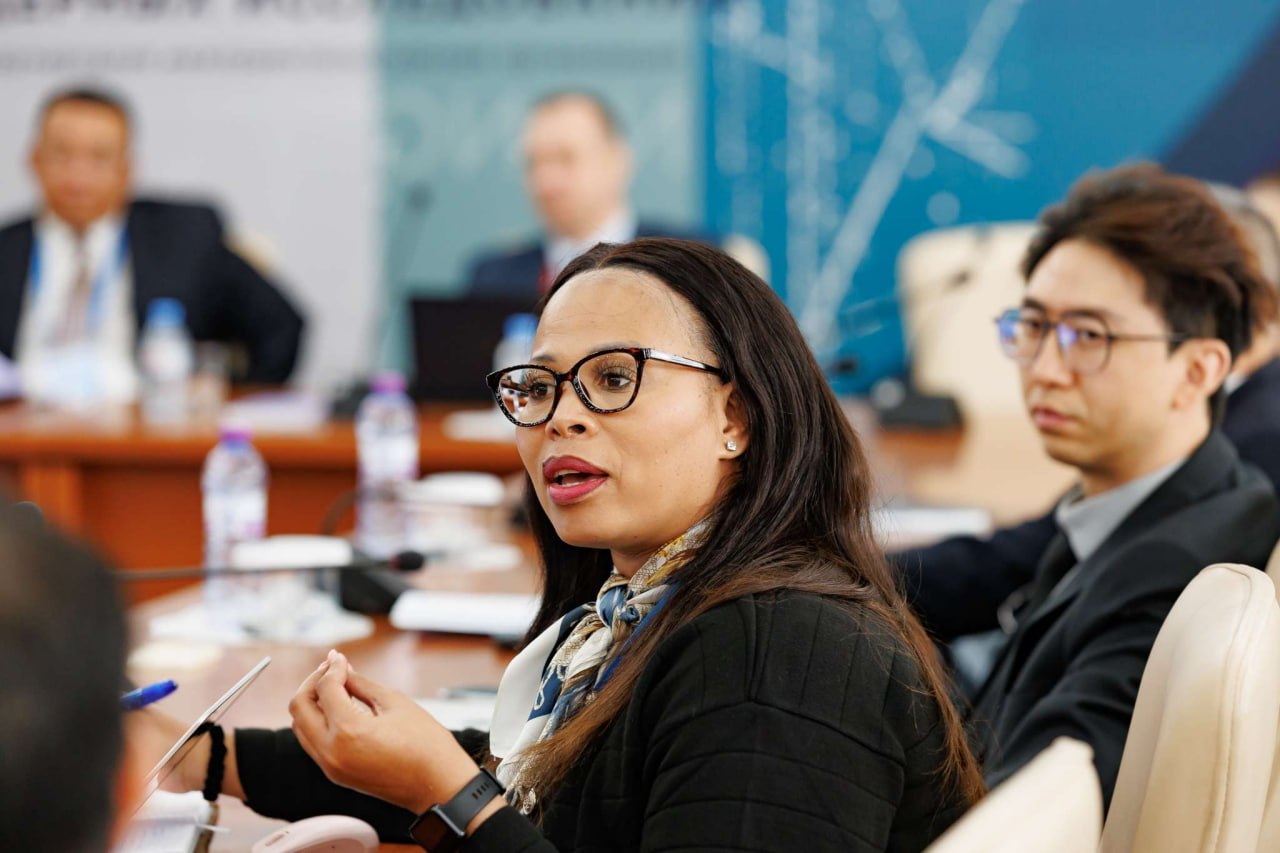
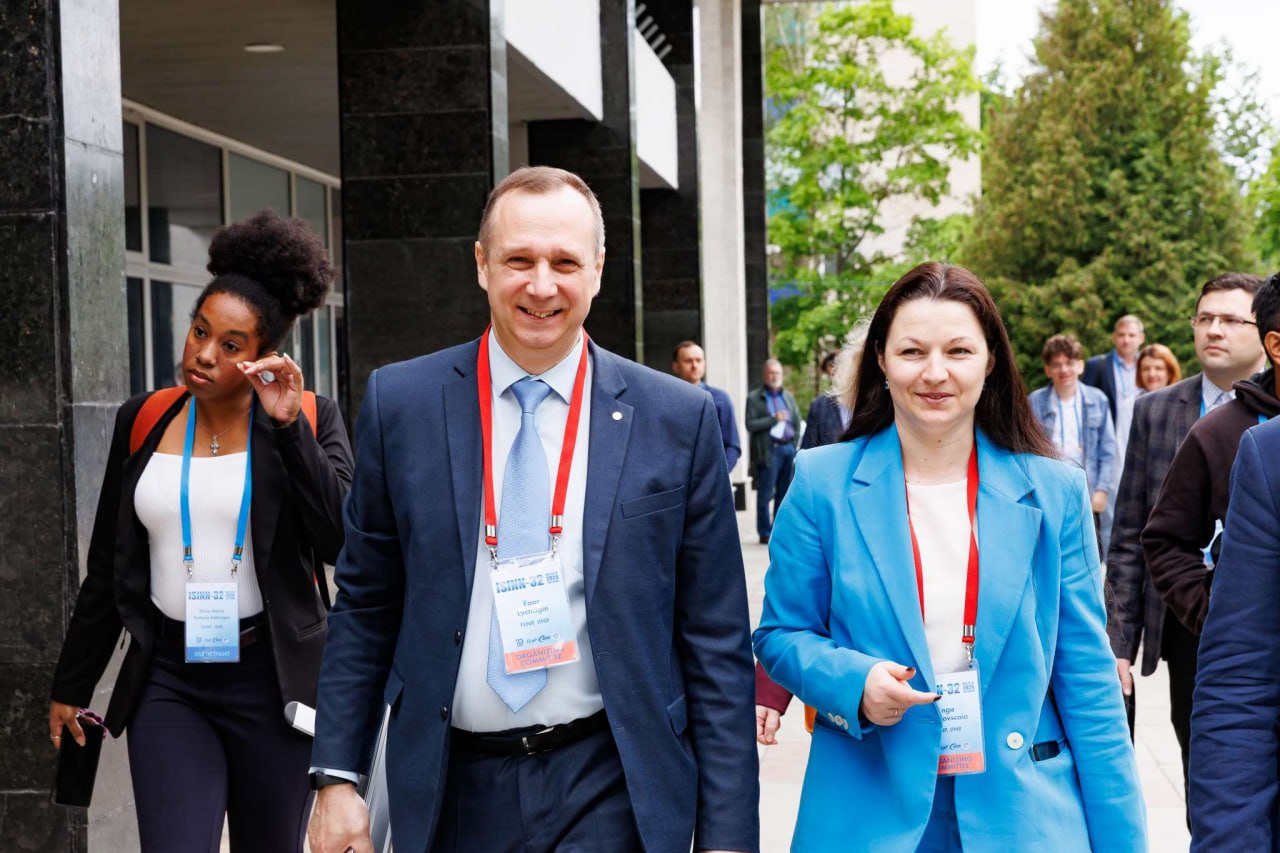
On May 25, the ISINN-32 conference kicked off in Dubna. Its organization and conduct involve the Frank Laboratory of Neutron Physics at JINR, the China Spallation Neutron Source Science Center (CSNS), and the State Key Laboratory of Intensive Pulsed Radiation Simulation and Effect (NINT, China).
The conference brings together more than 170 scientists from JINR and 11 countries, including the Socialist Republic of Viet Nam, the Arab Republic of Egypt, the Republic of India, the Russian Federation, and the Republic of Serbia. The delegation from the People's Republic of China consists of 21 researchers representing 7 scientific institutes and universities across the country.
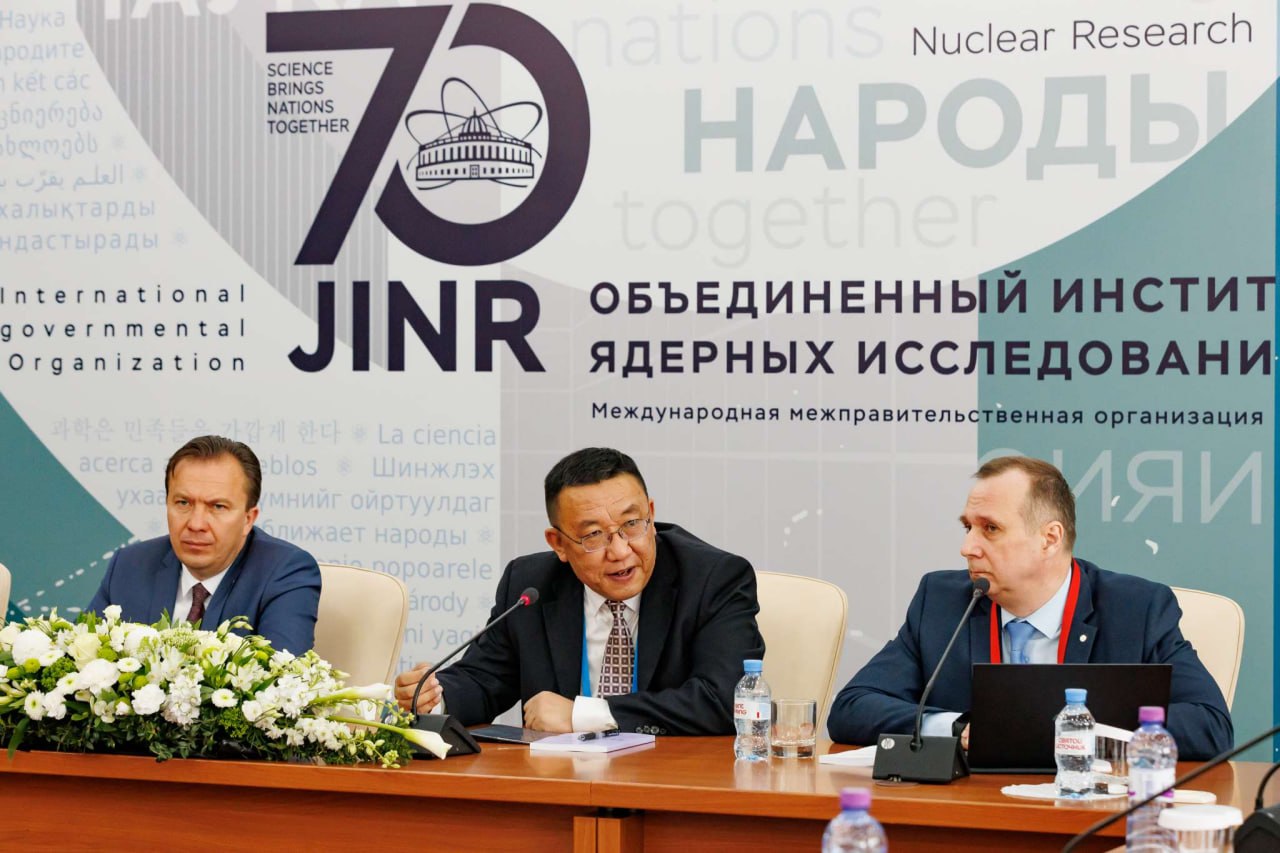
The participants were welcomed on behalf of the organizers by JINR Vice-Director Sergey Kulikov, FLNP JINR Director Egor Lychagin, and CSNS Deputy Director Tianjiao Liang. They noted that the seminar has long become one of the key international platforms for discussing fundamental and applied aspects of neutron physics. The organizers particularly emphasized the importance of strengthening cooperation between scientific centers from different countries.
Tianjiao Liang "I believe that ISINN is a very important conference for fundamental neutron research, nuclear structure, and nuclear data. Ten years ago, in 2016, three Chinese researchers attended the conference. But now, more than 20 participants of China are taking part in ISINN-32 — not only from CSNS but also from six other institutes and universities. Over this period, close collaboration has developed between CSNS and the Frank Laboratory of Neutron Physics at JINR, for example, in the field of nuclear data, where FLNP has extensive experience. Scientists from Dubna conduct experiments at CSNS and our researchers work at FLNP facilities. We see great potential for joint work in the areas of neutron scattering, neutron optics, detector development, experimental methods and UCN physics. I am confident that cooperation between CSNS and FLNP will only strengthen in the future!"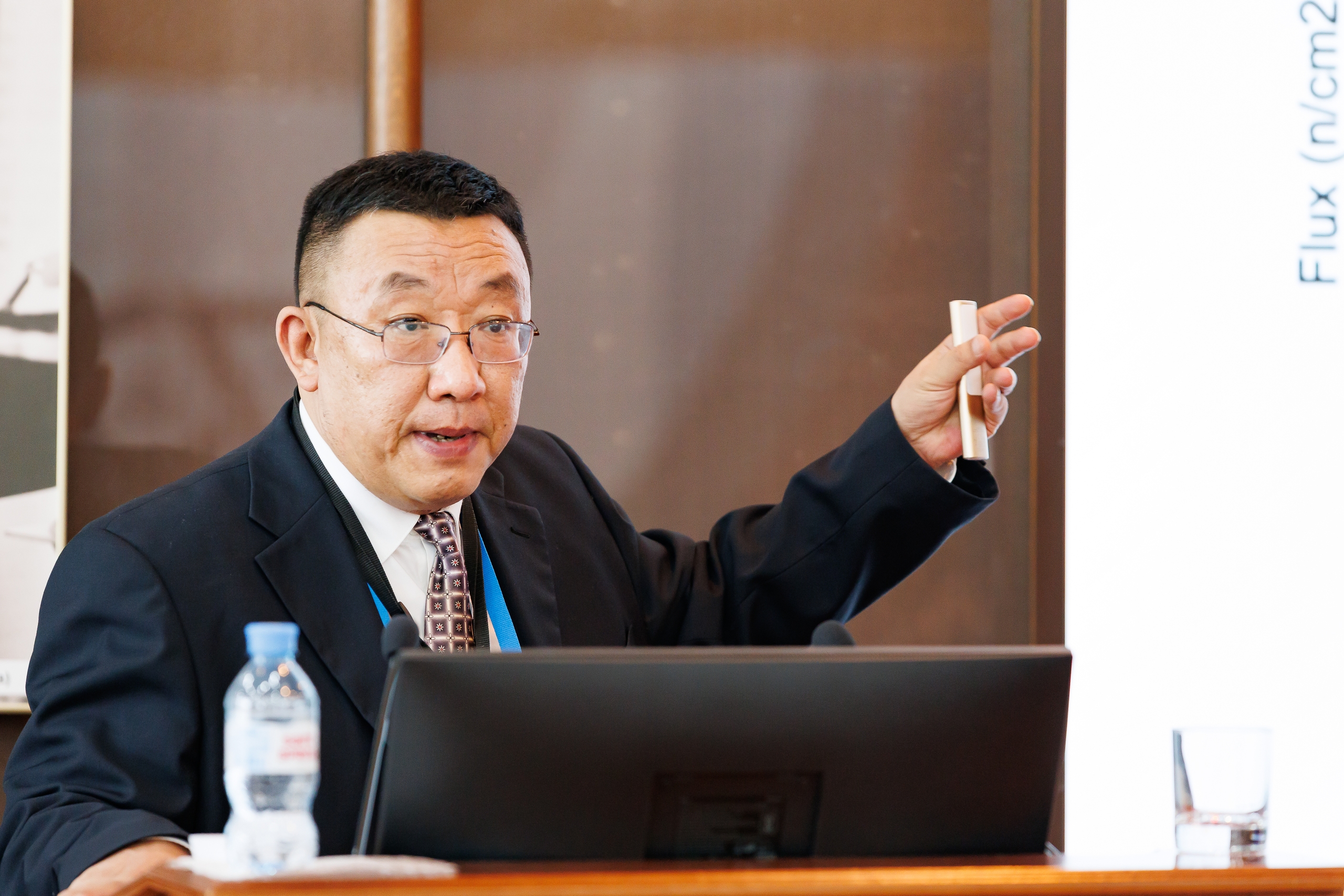
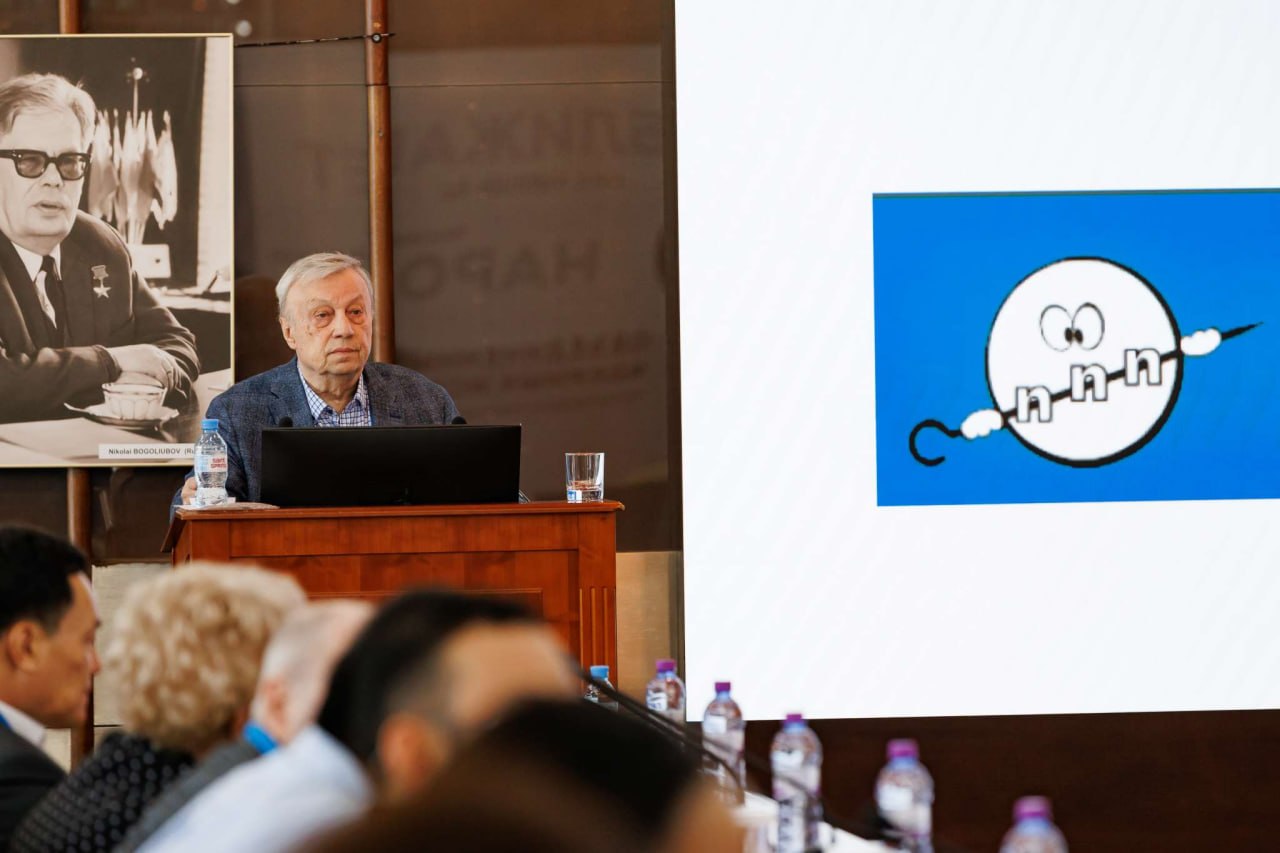
The plenary session opened with a talk by Egor Lychagin, who informed participants about the current operational status of the IBR-2 research reactor and the development of proposals for creating a future neutron source at FLNP.
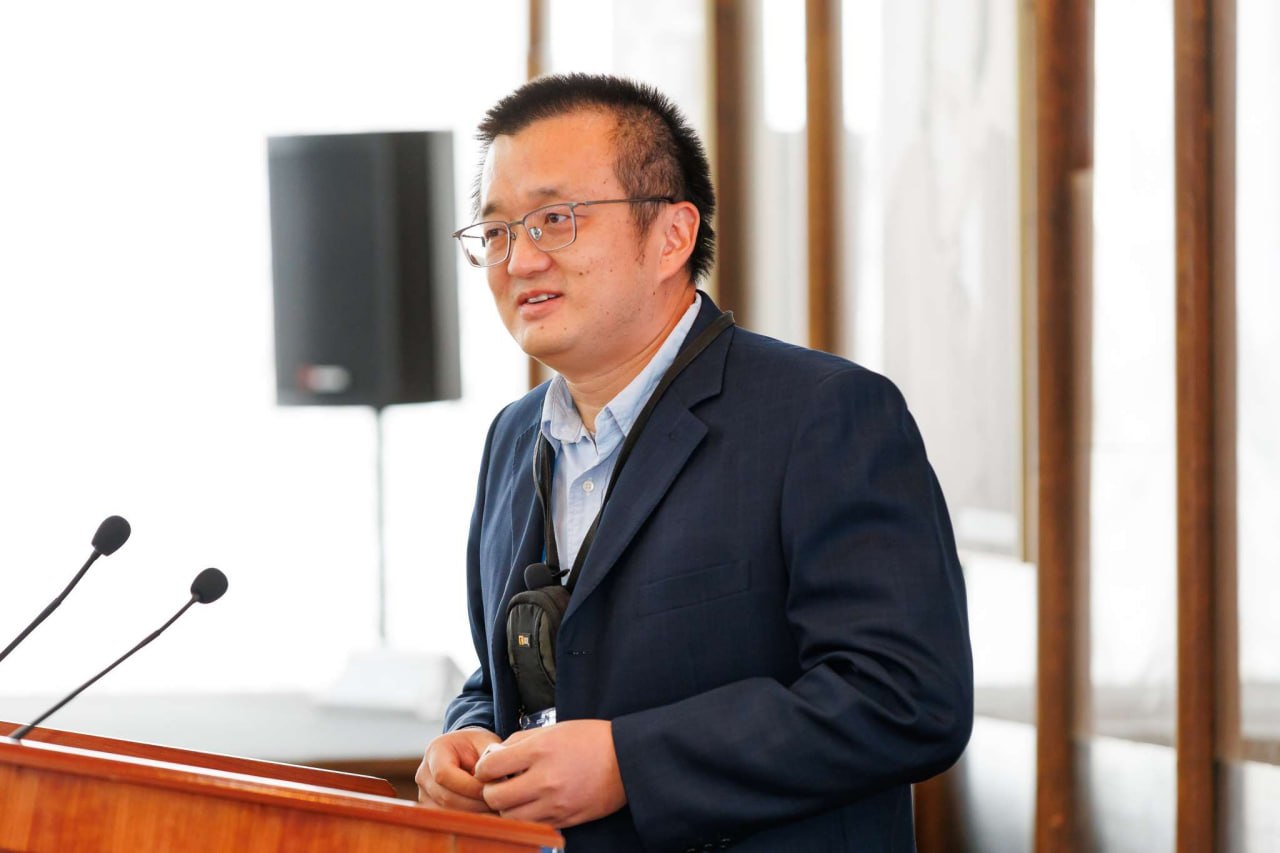
Ruirui Fan, Beam Extension Application Team Leader and Head of the Back-n White Neutron Facility at CSNS, presented a report on experiments at CSNS and the CSNS-II upgrade project. Tianjiao Liang spoke about the Neutron Physics and Application Instrument at CSNS, which includes an ultracold neutron source and combines facilities for prompt gamma neutron activation analysis (PGNAA) and neutron depth profiling (NDP). Anatoly Serebrov, Head of the Neutron Physics Laboratory at NRC KI - PNPI, shared results from neutron decay research essential for extending the Standard Model. Inga Zinicovscaia, Head of the Neutron Activation Analysis and Applied Research Sector at FLNP, presented the latest achievements of the sector.
In the afternoon, the session dedicated to neutron properties and ultracold neutrons featured 8 talks, where participants shared results and new research in their fields.
ISINN-32 will run until May 30, 2026. The conference program is available on the website: https://isinn.jinr.int/
Photo album